
What is Betrayal Trauma?
Betrayal trauma arises when trust is shattered by someone close, such as a partner, leading to profound emotional and psychological distress. This type of trauma> trauma often stems from acts like infidelity, emotional deceit, financial secrecy, or hidden addictions, disrupting one’s sense of safety, reality, and trust. The betrayed individual may feel as though their world has collapsed, with the person they depended on for love and security becoming the source of deep pain. This can trigger symptoms akin to post-traumatic stress disorder (PTSD), including hypervigilance, intrusive thoughts, emotional instability, and difficulty trusting others.

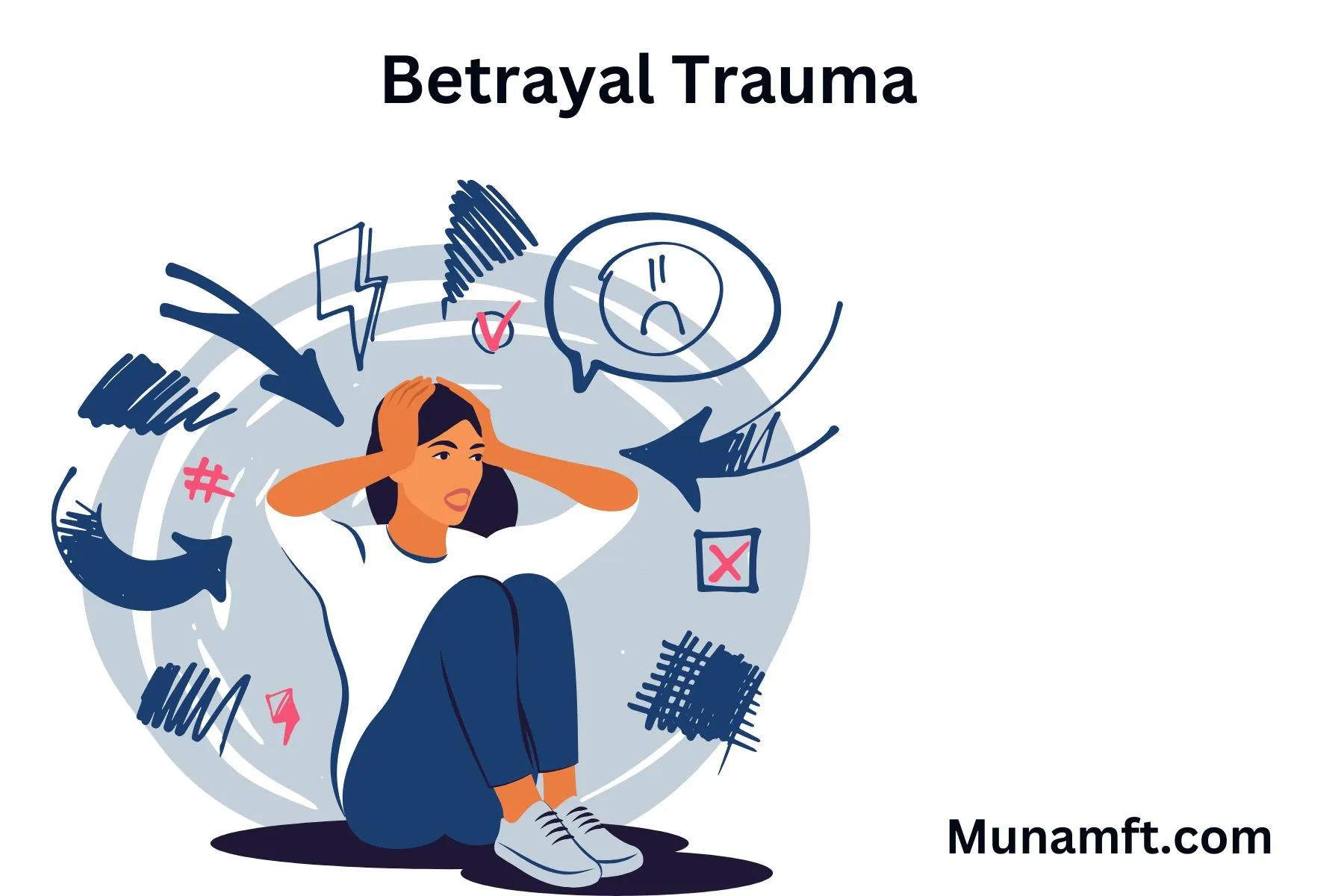
What is Betrayal Trauma?
Betrayal trauma arises when trust is shattered by someone close, such as a partner, leading to profound emotional and psychological distress. This type of trauma> trauma often stems from acts like infidelity, emotional deceit, financial secrecy, or hidden addictions, disrupting one’s sense of safety, reality, and trust.
The betrayed individual may feel as though their world has collapsed, with the person they depended on for love and security becoming the source of deep pain. This can trigger symptoms akin to post-traumatic stress disorder (PTSD), including hypervigilance, intrusive thoughts, emotional instability, and difficulty trusting others.
The Emotional Impact
Betrayal trauma is not just emotional pain—it’s a neurobiological response. The brain’s fear center, the amygdala, becomes hyperactive, causing heightened alertness, anxiety, and emotional reactivity. This push-pull dynamic, as described by experts, underscores the need to address both the need for safety and the longing for connection to reduce distress and foster healing.
The emotional toll of betrayal trauma can be overwhelming. Common experiences include:
Hypervigilance and Obsessive Thoughts:
Emotional Dysregulation:
Attachment Ambivalence:
The Healing Process
Recovering from betrayal trauma is a challenging but achievable journey that requires a trauma-informed approach and professional support. Therapy provides a safe space to process the pain, rebuild self-worth, and establish healthy boundaries. Key steps in the healing process include:
Trauma-Informed Counseling:
Essential for both individual and couples therapy, this approach helps navigate the emotional aftermath of infidelity, gaslichting, or manipulation.
Personalized Recovery Plan:
A therapist assesses the impact of betrayal and tailors a plan to address specific needs, helping individuals regain clarity and strength.
Evidence-Based Techniques:
Methods like Eye Movement Desensitization and Reprocessing (EMDR), Cognitive Behavioral Therapy (CBT), or somatic therapy can help process trauma, reduce symptoms, and promote emotional regulation.
Moving Forward
Healing from betrayal trauma involves intentional steps to reclaim emotional well-being. Therapy can help individuals:

While the process can be painful, professional support offers hope for restoring peace and confidence. By addressing the deep relational wounds caused by betrayal, individuals can move toward a future where trust and emotional stability are possible again.
From Start to Finish: Therapy & Counseling in 3 Steps
1.
Book a free initial consultation to share your concerns and explore how therapy can support your mental health goals.
2.
After understanding your needs, your therapist will design a personalized therapy plan, incorporating approaches like CBT or mindfulness to address your unique challenges.
3.
Begin your therapy sessions—available in-person or online—with flexible scheduling options, and let your therapist guide you toward growth and emotional well-being.

Our Experience
Keyword Ideas (anxiety therapist near me, anxiety and OCD therapist, online anxiety therapy California, social anxiety California, relationship anxiety therapist)
Have Questions? We’ve Answers for You.
Find answers to your questions about therapy, Muna’s services and specialization, Insurance, or privacy here.
Muna Farhat, LMFT is a Licensed Marriage and Family Therapist based in San Jose, CA.
She holds the necessary credentials to practice therapy in California, with expertise in supporting individuals, couples, and families through various emotional and relational challenges.
As a Licensed Marriage and Family Therapist, Muna adheres to strict confidentiality standards outlined by California state law and the Health Insurance Portability and Accountability Act (HIPAA).
Your personal information is securely stored and only shared with your explicit consent, except in legally mandated situations.
Therapy is a collaborative process where you work with a trained professional, like Muna, to address emotional, mental, or relational challenges. It can help you gain insight, develop coping strategies, and achieve personal growth or resolution of specific issues.
Counseling and therapy are often used interchangeably, but counseling typically focuses on specific issues or short-term goals (e.g., coping with a life transition), while therapy may involve deeper exploration of long-standing patterns. Muna offers both, depending on your needs.